Signs Your Artificial Grass Needs Repair
If you notice signs your artificial grass needs repair, local contractors can assess and fix issues like tears, uneven surfaces, or worn areas to restore its appearance and function.
If your artificial grass isn’t looking as fresh as it once did or shows signs of wear, you’re not alone. Property owners in the area often find themselves wondering when minor issues might require professional repairs to restore their turf’s appearance and functionality. Recognizing the early warning signs-such as uneven surfaces, bald patches, or loose seams-can help prevent more extensive damage down the line. By staying attentive to these indicators, homeowners and business owners can ensure their outdoor spaces remain attractive and safe, making it easier to enjoy the benefits of artificial turf.
Many property owners seek the expertise of local contractors when they notice signs that their artificial grass needs repair. Whether it’s persistent matting, visible infill loss, or areas where the turf has become detached, these are common issues that can be addressed efficiently by experienced professionals. Connecting with local service providers can help identify the root cause of the problem and determine the best course of action to restore the turf’s original look and performance. Keep reading to learn more about the common signs that indicate it’s time for artificial turf repair.
- Artificial turf patching - when areas of the grass appear worn or torn, local contractors can repair or replace damaged sections to restore a seamless look.
- Artificial grass seam repair - signs of seam separation or lifting indicate the need for professional seam reinforcement or re-gluing by local service providers.
- Artificial turf infill replacement - uneven surfaces or bare patches often require infill replenishment, which local pros can perform to maintain stability.
- Artificial turf drainage repair - pooling water or poor drainage suggests underlying issues that local contractors can address to ensure proper water flow.
- Artificial grass weed and pest control - the appearance of weeds or pest activity in the turf can be managed by local service providers to prevent further damage.
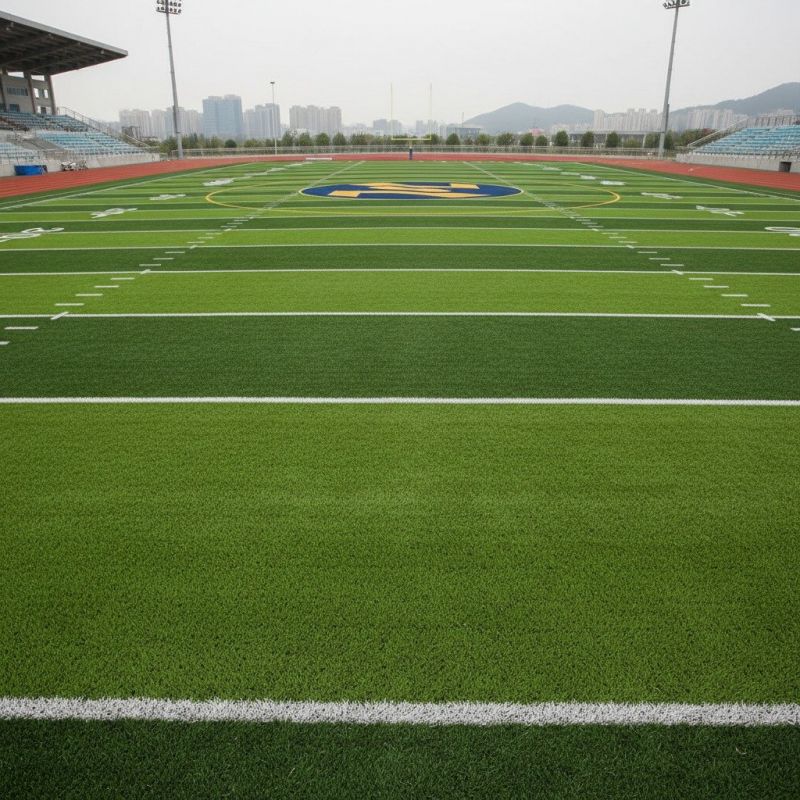
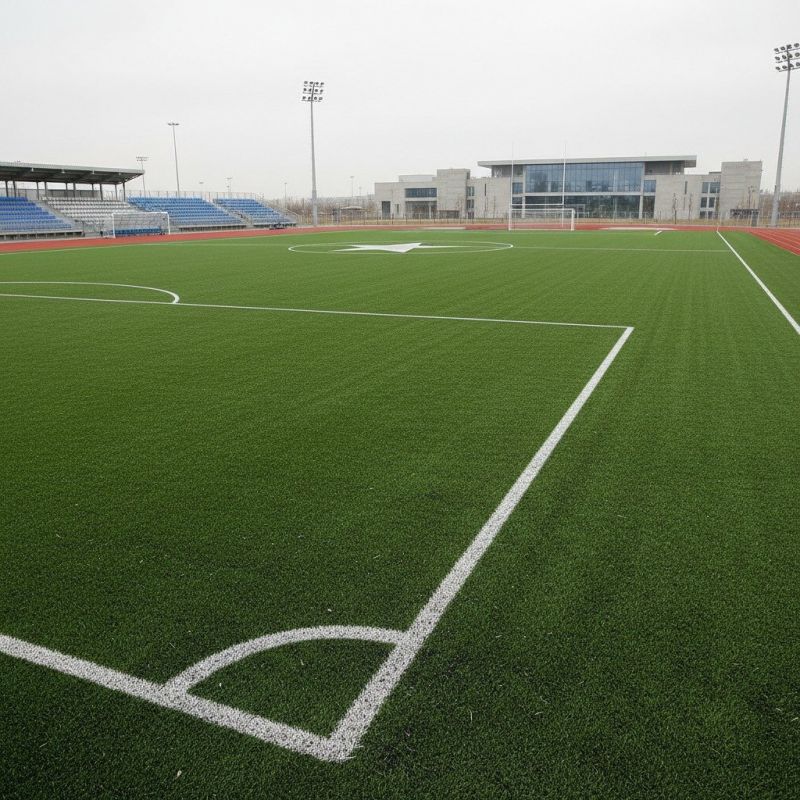
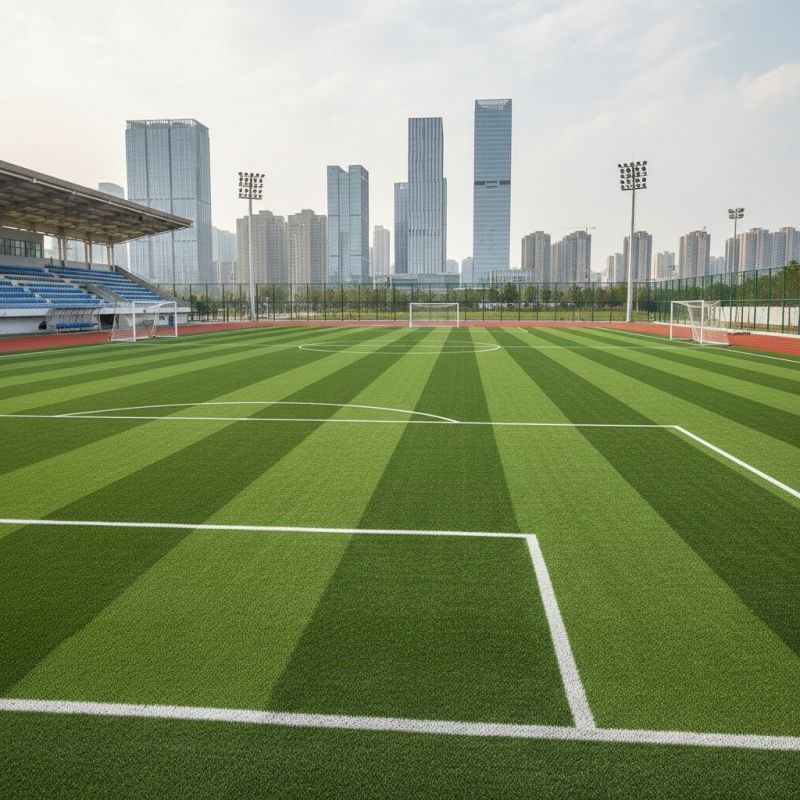
When homeowners search for signs your artificial grass needs repair, they are typically trying to identify issues that could compromise the appearance, safety, or functionality of their synthetic turf. Artificial grass is often installed in residential yards, play areas, or landscaping features, and understanding when it requires attention helps property owners maintain a clean and attractive outdoor space. Common concerns include visible wear and tear, uneven surfaces, or damage that affects the overall look and usability of the turf. Recognizing these signs early can prevent further deterioration and extend the lifespan of the installation, making it a priority for those who want to keep their outdoor areas looking their best.
The problems associated with artificial grass that signals the need for repair often relate to physical damage or aging. For example, homeowners may notice bald patches where the turf has worn thin or become matted from foot traffic or weather exposure. Cracks or tears in the material can also appear, especially in high-traffic zones or after severe weather events. In addition, the infill material that supports the turf may become uneven or displaced, leading to an uneven surface that can pose tripping hazards. These issues often stem from natural use over time, improper installation, or exposure to harsh conditions, and they highlight the importance of timely repairs to restore the turf’s integrity.
Certain types of properties tend to experience more frequent signs of artificial grass damage. Residential yards, particularly those with children or pets, are common sites for wear and tear, as active use can accelerate turf deterioration. Commercial properties, such as sports facilities, playgrounds, or decorative landscaping in business complexes, also see signs of aging more quickly due to heavy foot traffic and frequent use. Additionally, properties located in areas prone to extreme weather-such as heavy rain, intense sun, or high winds-may encounter more frequent damage or surface issues. Recognizing these property types helps homeowners and property managers understand the importance of regular inspections and timely repairs to maintain a safe and attractive environment.
Identifying signs your artificial grass needs repair is essential for property owners who want to preserve their outdoor spaces. Local service providers specializing in artificial turf repair can evaluate the condition of the turf and address issues like patching bald spots, fixing tears, or leveling uneven areas. They can also replace damaged infill or re-secure loose sections to restore the turf’s appearance and safety. Since these professionals understand the common problems associated with different types of properties and usage patterns, they can recommend the most effective repair solutions. Connecting with experienced local contractors ensures that repairs are handled efficiently, helping property owners maintain a durable, visually appealing artificial lawn or landscape feature for years to come.
Landscape Drainage Projects - proper drainage planning and installation are essential skills that overlap with repairing artificial turf issues caused by poor water runoff or pooling.
Patio and Deck Installation - these projects require surface preparation and material installation techniques similar to those used in turf repair and patching.
Ground Leveling and Grading - ensuring a smooth, even surface for landscaping involves skills applicable to restoring uneven or sunken artificial grass areas.
Soil and Substrate Preparation - understanding soil conditions and proper base setup is important for fixing underlying issues affecting artificial turf integrity.
Hardscape Construction - building features like pathways or retaining walls involves planning and material handling skills related to turf repair and reinforcement.
Yard Renovation and Landscaping - comprehensive yard upgrades often include artificial grass repairs as part of restoring a cohesive outdoor space.
When evaluating contractors for artificial turf repair, it’s important to consider their experience with similar projects. Homeowners should look for service providers who have a proven track record of handling repairs on artificial grass, especially those that involve issues like uneven surfaces, torn sections, or drainage problems. An experienced local contractor will understand the common signs that indicate repair is needed and be familiar with the best techniques to restore the turf’s appearance and functionality. Asking about past work or seeking references can help gauge whether a contractor has successfully addressed issues similar to those observed in your yard.
Clear communication of expectations is another key factor when comparing local service providers. Homeowners should seek contractors who are transparent about what the repair process entails, including the scope of work, materials used, and any potential limitations. A reputable professional will be able to explain the repairs needed based on the signs of damage observed and provide a straightforward plan for addressing those issues. This clarity helps ensure that both parties have aligned expectations and understand the steps involved in restoring the artificial grass.
Reputation and references are essential when selecting a contractor for artificial turf repair. Homeowners are encouraged to look for service providers with a history of satisfied clients and positive feedback. Reputable contractors often have established relationships within the community and can provide references or testimonials from previous projects. Good communication throughout the process is also critical; service providers who are responsive and willing to answer questions can help homeowners feel confident in the repair work being performed. Ultimately, choosing a contractor with a solid reputation and clear communication can lead to a smoother repair experience and a more durable, visually appealing artificial grass area.
Property owners often search for signs your artificial grass needs repair when they are planning practical projects around their homes and businesses. Local pros provide Artificial Turf Repair services for everyday jobs and straightforward project options.
Property owners in the area often notice signs that their artificial grass may need repair after experiencing regular foot traffic, pet activity, or weather-related wear. Common indicators include uneven surfaces, visible seams or wrinkles, and areas where the turf appears lifted or loose. These issues can affect the overall appearance and functionality of the yard, prompting property owners to seek out experienced service providers who specialize in artificial turf repair to restore a smooth, natural look.
Other telltale signs include patches of discolored or faded turf, persistent bald spots, or areas where the infill has shifted or become sparse. Over time, minor damage can develop into more noticeable problems if left unaddressed, making it advisable to consult with local contractors who offer artificial turf repair services. These professionals can evaluate the condition of the grass and recommend appropriate solutions to maintain the yard’s durability and aesthetic appeal.
How can I tell if my artificial grass has uneven patches? Uneven patches or areas that look saggy or lumpy may indicate underlying damage or improper installation, and local contractors can assess and repair these issues.
What are signs of infill displacement or loss? If the infill material appears sparse, uneven, or has shifted, it can affect the turf’s stability and might require professional repair to restore proper support.
How do I know if my artificial grass has tears or rips? Visible tears, rips, or frayed edges are clear signs that the turf needs repair, and experienced service providers can patch or replace damaged sections.
What indicates that the backing of the turf is compromised? Signs such as bubbling, lifting edges, or loose areas suggest the backing may be damaged, which can be addressed by local repair specialists.
When should I consider repairing artificial grass due to weed or pest issues? If weeds are growing through the turf or pests are burrowing underneath, it may be time for repairs to prevent further damage, with local pros able to handle the job.
Visible Wear and Tear - noticing bald patches or frayed edges can indicate areas needing repair, prompting a homeowner to seek artificial turf repair services from local contractors.
Uneven Surface - sinking or shifting sections of artificial grass may require professional leveling or patching to restore a smooth, safe playing or lounging area.
Fading or Discoloration - significant color loss can affect the appearance, encouraging property owners to consult local service providers for rejuvenation or replacement options.
Drainage Problems - pooling water or poor runoff suggests underlying issues that local pros can address through repair or installation adjustments to improve drainage.
If you are thinking about signs your artificial grass needs repair for a property, this guide is meant to help you understand this topic, the typical project types, and how different options might fit your plans.
When you are ready, you can use the quote form on this page to share a few details about your project. From there, local pros can review the basics and follow up with options that match what you have in mind.